


STRATEGY & LEADERSHIP




Waxwing Business provides senior-level strategy and leadership support to small businesses, nonprofits, and growing organizations across coastal Maine — without the cost of a full-time hire. Whether you need a fractional executive to step into a C-suite role, a skilled facilitator to lead your next planning retreat, or a coach to support a leader navigating a difficult transition, we bring the experience and the commitment to see it through.
-
A fractional executive is a senior-level leader (CEO, CFO, CMO, etc.) who works with a company on a part-time or contract basis, providing executive-level expertise without the cost of a full-time hire. They typically serve multiple clients simultaneously, dedicating a defined portion of their time and strategic capacity to each. It's a model well-suited to small and mid-sized businesses that need experienced leadership but aren't ready — or don't need — a full-time executive.
-
Strategic planning is the process of defining a company or organization's direction, priorities, and goals over a set time horizon — typically one to three years — and translating that vision into actionable steps the team can execute. Unlike enterprise-level planning, it tends to be leaner and more adaptive, focusing on the decisions that matter most given limited resources and bandwidth. Done well, it aligns leadership around a shared roadmap and gives the whole organization a clearer sense of what to pursue, what to protect, and what to set aside.
-
Organizational development (OD or “Org Dev”) is the intentional practice of improving a company's effectiveness by strengthening its people, processes, culture, and structure — not just fixing what's broken, but building capacity for long-term health and growth. For small to mid-size firms, this often shows up as leadership development, team alignment work, hiring strategy, role clarity, and building the internal systems that let a growing organization scale without chaos. It's the difference between a business that survives on the founder's heroics and one that runs well because the right people, roles, and rhythms are in place.
-
Facilitation is the practice of guiding a group through a conversation, planning session, or decision-making process in a way that draws out the best thinking from everyone in the room and moves the group toward clarity or action. A skilled facilitator stays neutral on content — their job isn't to have the answers, but to create the conditions where the group can find them together. For small and mid-size organizations, it's particularly valuable for strategic retreats, team workshops, or any high-stakes conversation where an outside hand keeps things productive and on track.
-
Board and staff development is the ongoing work of building the knowledge, skills, relationships, and culture needed for an organization's leadership and team to function at their best — individually and collectively. For boards, this means recruitment, orientation, governance training, and ensuring members are engaged and effective in their roles; for staff, it encompasses onboarding, professional growth, performance frameworks, and retention. Together, it's the investment that turns a group of capable people into a cohesive, high-functioning organization.
-
Executive coaching for new C-level leaders is a structured, confidential partnership that helps someone stepping into a senior role navigate the transition with greater clarity, confidence, and effectiveness — because the skills that earned the promotion are rarely the same ones needed to succeed in the seat. It focuses on developing executive presence, decision-making under ambiguity, stakeholder relationships, and the shift from doing to leading. For someone new to the C-suite, a coach serves as a trusted thinking partner during the window when the stakes are highest and the learning curve is steepest.
-
Business owner coaching is a focused partnership that helps entrepreneurs and small business owners step back from the day-to-day long enough to work on the business rather than just in it — clarifying vision, untangling priorities, and making better decisions with greater intention. Unlike executive coaching, which often centers on leadership presence within an organization, business owner coaching tends to address the full picture: strategy, revenue, team, boundaries, and the personal identity shifts that come with building something of your own. It's part strategic sounding board, part accountability structure, and part permission slip to lead the business instead of being consumed by it.
CASE STUDY
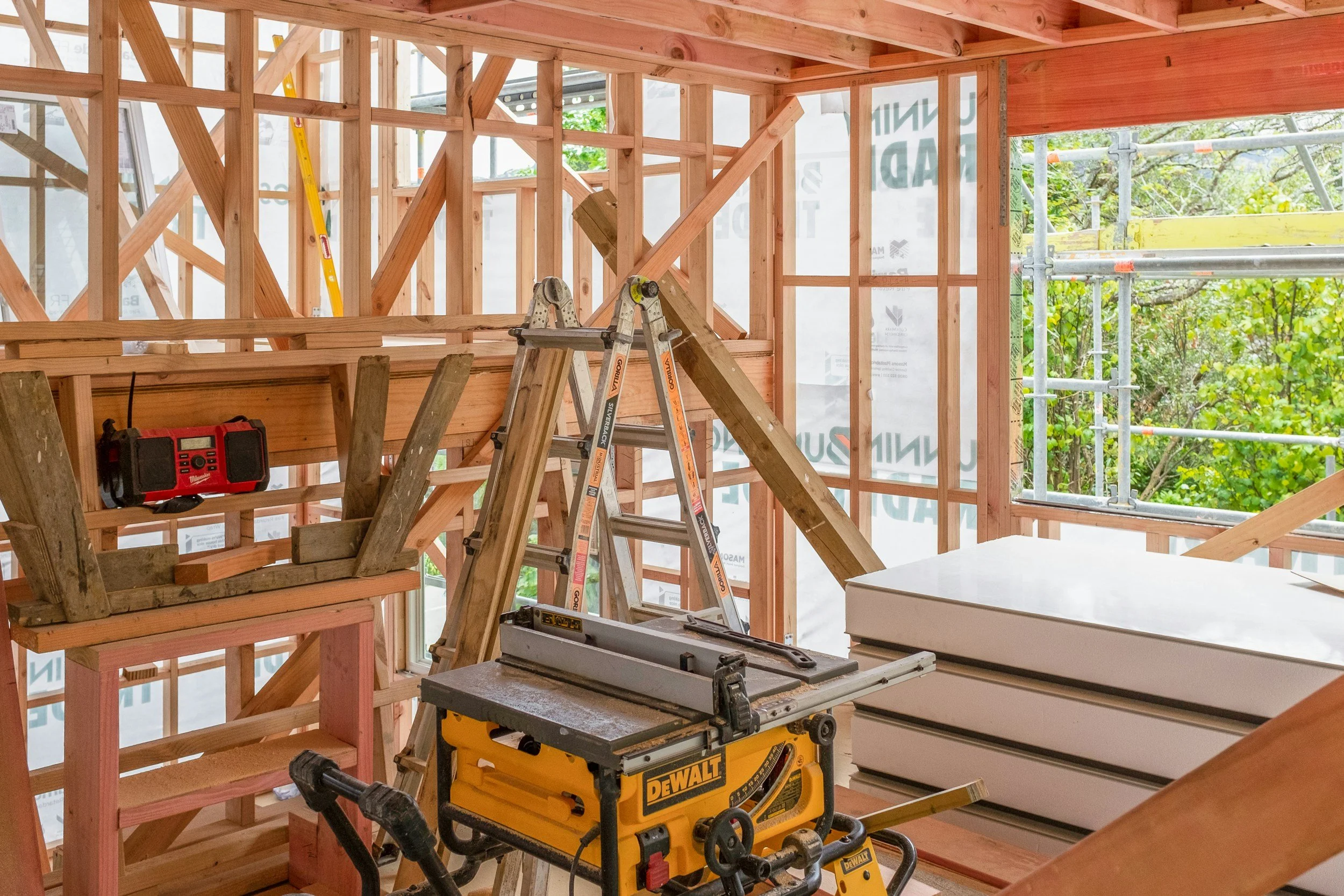
Hewes & Company - Organizational Development
From Revenue Leak to Revenue Recovery
How operational discipline — and a reframe of client communication — unlocked significant captured revenue for a custom home builder.
Departments: Construction & Project Management, Billing, Client Experience
A Board-level directive identified a persistent gap: billable work was being completed but not captured. The revenue existed — it simply wasn't making it to the invoice. The challenge wasn't the team's capability. It was the absence of a system.
Waxwing worked alongside the project management team to build that system — one grounded in training, scheduling discipline, and client-facing communication standards. The work touched both internal operations and the company's relationship with its owners.
OUTCOME: 6X revenue realized in five months.
The bonus: clients no longer encounter surprises. The process is transparent, consistent, and — from where they sit — a mark of a well-run firm.